




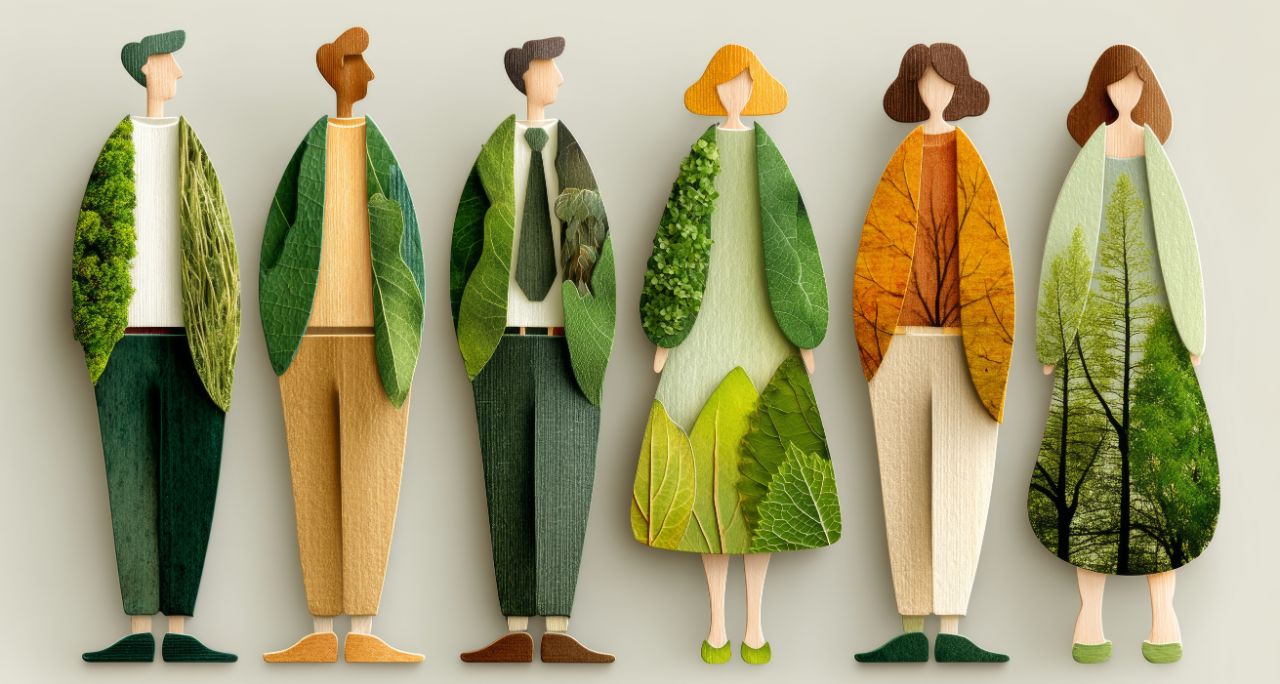
Fashion today is about more than trends, colours, or silhouettes — it is about responsibility, impact, and innovation. From international runways to everyday wardrobes, sustainable fashion is transforming how clothing is designed, produced, and consumed.
As climate concerns grow and consumers demand transparency, the fashion industry is shifting from a disposable “fast fashion” mindset to a conscious, circular model. For students searching for a Fashion Designing Institute near me or enrolling in a Fashion Designing Course in Coimbatore, sustainability is no longer optional — it is the future of fashion education.
What Is Sustainable Fashion?
Sustainable fashion is a holistic approach that balances:
- Environmental responsibility
- Ethical labour practices
- Reduced carbon emissions
- Lower water consumption
- Textile waste management
- Circular production models
According to the United Nations, the fashion industry contributes nearly 10% of global carbon emissions. The traditional “take–make–waste” system is no longer sustainable.
Instead, modern fashion promotes circularity — designing garments that are durable, repairable, reusable, and recyclable.
For students in a Fashion Designer Course, the design question has evolved:
Not “What’s trending?” but “What impact will this create?”
Why the Fashion Industry Is Moving Beyond Fast Fashion
Fast fashion once thrived on rapid production and low costs. However, its consequences include:
- Massive textile waste in landfills
- Water pollution from toxic dyes
- Microplastics in oceans
- Exploitation of garment workers
Today’s consumers are more conscious. Studies show that over 60% of shoppers consider sustainability before purchasing clothing.
For students attending Fashion Designer Classes near me, understanding ethical sourcing and responsible production is now as important as mastering pattern-making or draping techniques.
Key Innovations Driving Sustainable Fashion
The future of fashion is powered by innovation. Here’s how:
1. Eco-Friendly & Organic Materials
Designers are using organic cotton, hemp, bamboo silk, recycled polyester, banana fibre, and plant-based leather alternatives. These reduce environmental impact while maintaining quality and aesthetics.
2. Waterless Dyeing Technology
Traditional dyeing pollutes waterways. Waterless and low-impact dyeing methods drastically reduce water usage and chemical discharge.
3. Circular Fashion Models
Brands are introducing:
- Resale platforms
- Rental fashion services
- Take-back and recycling programs
This extends garment life cycles and reduces waste.
4. AI-Based Demand Forecasting
Artificial Intelligence helps brands predict demand accurately, reducing overproduction and unsold inventory.
Forward-thinking institutions offering a Fashion Designing Course in Coimbatore are integrating these innovations into their curriculum.
India’s Growing Influence in Sustainable Fashion
India is uniquely positioned to lead the global sustainable fashion movement.
With its strong hand-loom heritage and slow fashion traditions, the country naturally aligns with Eco-conscious practices.
Designers like:
- Anita Dongre
- Rahul Mishra
- Sabyasachi Mukherjee
have championed artisan empowerment, handloom revival, and natural dye techniques.
Government initiatives such as the Khadi and Village Industries Commission promote hand-spun textiles, strengthening rural economies while reducing environmental impact.
For students pursuing a Fashion Designing Institute near me in Tamil Nadu, the textile-rich ecosystem offers unmatched practical exposure.
What You Learn in a Sustainable Fashion Designer Course
A modern Fashion Designer Course integrates sustainability into every stage of learning:
Conscious Textile Studies
Understanding organic fibres, recycled fabrics, and low-impact finishing techniques.
Ethical Supply Chain Management
Learning fair wage systems, transparent sourcing, and compliance standards.
Circular Design Thinking
Creating garments designed for durability, modularity, and recyclability.
Sustainable Branding & Consumer Psychology
Communicating sustainability authentically through storytelling and marketing.
Students are trained not just to design garments — but to design responsible systems.
Career Opportunities in Sustainable Fashion
Sustainability opens diverse and future-proof career paths:
- Sustainable Fashion Designer
- Textile Innovation Specialist
- Circular Economy Strategist
- Ethical Production Manager
- Sustainability Consultant
- Slow Fashion Entrepreneur
The global sustainable textiles market is expanding rapidly, making this a high-growth specialization.
If you are searching for Fashion Designer Classes near me, choosing a sustainability-focused institute gives you a competitive advantage in the evolving fashion industry.
From Consumption to Conscious Creation
The fashion world is shifting from mass production to mindful creation.
Consumers are now choosing to:
- Buy fewer, high-quality garments
- Support ethical brands
- Repair and upcycle clothing
- Rent or swap instead of discard
Designers must respond with creativity rooted in responsibility.
The Future Belongs to Responsible Designers
At Ideamax Institute of Design, we believe fashion education must evolve with the world. Our programs are thoughtfully designed to blend creativity with responsibility, equipping students with industry-relevant skills to excel in the era of sustainable and ethical fashion.
Through hands-on training, exposure to modern textile innovations, and a strong foundation in circular design principles, we prepare students to become forward-thinking designers who create with purpose.
For aspiring designers exploring a Fashion Designing Course in Coimbatore or searching for a Fashion Designing Institute near me, the path is clear.
If you are ready to transform your passion for design into a future-focused, globally relevant career, Ideamax Institute of Design is where innovation meets impact — and creativity meets responsibility.