




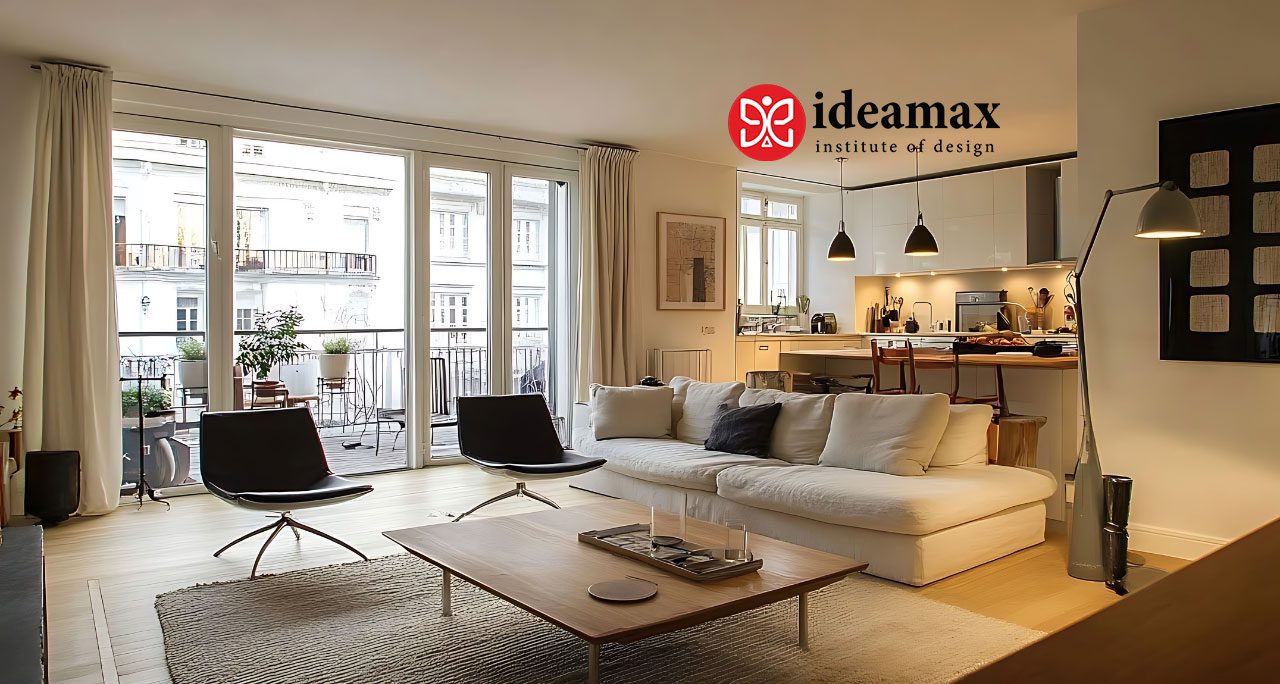
Interior design was once seen as a luxury reserved only for the super-rich and star hotels. But today, things have changed. It’s no longer just about looks or trends. Modern interior design focuses on comfort, sustainability, and responsible living.
As we become more aware of climate change, overuse of natural resources, and rising energy waste, the way we think about buildings has evolved. People now prefer homes and spaces that are eco-friendly, long-lasting, and mindful of the environment. Sustainable interior design is quickly becoming the top choice for homeowners, architects, and designers. The real pride today lies not in creating the most luxurious space, but in creating the most sustainable and meaningful one.
At Ideamax Institute of Design, Coimbatore, we believe that the interior designers of the future must blend creativity with conscience. They should naturally integrate sustainability into every design decision. Sustainability is no longer a special feature — it is the core foundation, with convenience and beauty built around it.
What Are Sustainable Interiors?
Sustainable interiors are spaces designed to reduce environmental impact, save energy, and minimise waste, using materials that are often sourced close to the project location.
Yes, the world is more globalized than ever. Today, we can include Rajasthani stones, Burmese teak, Chinese décor, French architecture, or European styles in our buildings. But true sustainable interiors go beyond aesthetics.
They focus on creating healthy indoor environments that support well-being. They emphasize long-lasting beauty, responsible use of materials, and a lower ecological footprint. In short, sustainable interiors are about designing spaces that look good, feel good, and do good—for both people and the planet.
Why Sustainable Interiors – Now?
The global construction and building sector accounts for almost 37% of CO2 emissions. Much of this comes from the extraction of raw materials, manufacturing, energy consumption, and short-lived furnishings. When we choose sustainable option instead of the conventional options, we can significantly reduce this burden on the ecology.
- Consumers Are Demanding Eco-Friendly Spaces
Buyers today prefer low-VOC paints, natural materials, energy-efficient lights, solar-powered fixtures, and green-certified buildings. Sustainability has become a brand statement, be it for a brand or even for individual families. People feel better about themselves when they know that they have did something for the environment. If you’re learning interior designing course in Coimbatore, you need to understand the industry trend and adopt these practices. - Sustainable Interiors Improve Human Health
Indoor air quality, particularly in new buildings is often two to five times worse than outdoor air quality. This is due to the usage of synthetic materials, chemicals, glues, and paints. Sustainable interiors use natural, low-emission materials that promote cleaner, healthier living environments. - It Reduces Long-Term Costs
Sustainable choices may cost slightly more initially but maintenance and electricity savings are substantial. This option is like choosing an EV over conventional ICE vehicle. Similarly, energy-efficient lighting, durable materials, proper insulation, and smart appliances reduce long-term expenses and maintenance needs. - Legal & Compliance Requirements
Today, most countries have mandated legal requirements for businesses and this has increased the need for sustainable buildings at large and interiors in particular. Even medium scale enterprises are required to file sustainability reports. - Better Branding for Businesses
Today, many businesses like to have the “sustainability” tag around them as it endears their brands in the eyes of the potential clients and customers.
How to Become a Sustainable Interior Designer?
The term sustainable interiors is new but the practices are not entirely new concepts. In essence, it is the way in which we designed and built our interiors before the industrial era. However, today, it is harder to remain completely sustainable and eco-friendly as our modern manufacturing processes and sourcing techniques completely violate those principles. At Ideamax Institute of design, we educate and empower our students to become a sustainable interior designer.
- Choosing Eco-Friendly Materials
Using naturally available and low-emission materials like bamboo, recycled wood, FSC-certified timbre, cork, recycled metals, recycled glass, natural fabrics, and rough or semi-polished stones in the construction reduces the environmental stress caused by the building. They lower environmental impact while maintaining high quality.
- Using Low-VOC Paints for Interiors
Low VOC (Volatile organic compounds) or zero VOC paints reduce release of toxins and support healthier indoor air quality. This way, the environmental pollution and also the human health improves over a period of time. These paints are relatively costlier to make as the pigments are not as cheap as polluting options. However, that is the cost we must bear to build the buildings of tomorrow and a better tomorrow. - Installing Energy-Efficient Lighting and Appliances
LED lighting consumes up to 80% less energy than traditional incandescent bulbs. Traditional bulbs waste a lot of energy by changing the energy into heat and light. In case of the new smart bulbs, the efficiency is high and hence the wastage of precious electricity is also less. Further smart systems and automation help reduce unnecessary energy consumption by switching off the power supply when it is not used by people. - Eco-friendly Designs Using Natural Light& Conservation techniques
Including large windows, open layouts, and skylights improve natural light during day time and reduce the dependence on artificial lighting. This way, energy requirements for the building is reduced. - Reduce, Reuse, Recycle & Upcycle
While reduce, reuse and recycle have been in practice for years now, the new techniques like refurbished furniture, vintage pieces, salvaged materials, and upcycled decor products reduce wastage while adding a unique character and aesthetic sensibility to spaces. - Water-Conserving & Biophilic Design
Usage of low-flow fixtures that reduces the wastage of water, and rainwater systems promote water sustainability. Inclusion of sewage treatment plants, water recyclers are all important for the whole building. Including indoor plants to regulate humidity and increase oxygen is also helpful. Bringing nature indoors through plants, natural textures, stone finishes, and organic shapes improves mood of the people in the building and helps to reduces stress and enhances wellness.
Career Scope in Sustainable Interior Design
The demand for sustainable, eco-conscious interiors is expected to increase multi-fold by the year 2030. This trend is seen across countries of the wolrd and India is soon catching up. So, if you are aspiring to be an interior designer, then join our holistic interior designer courses at Ideamax Institute of Design. Our world-class facility along with the up-to-date curriculum makes us the ideal choice for your career upgrade. Designers with sustainability knowledge will find opportunities in residential design, commercial interiors, hospitality, architecture firms, real estate companies, and green building consultancies.
Call us to know more about sustainable interior designing courses in Coimbatore.