



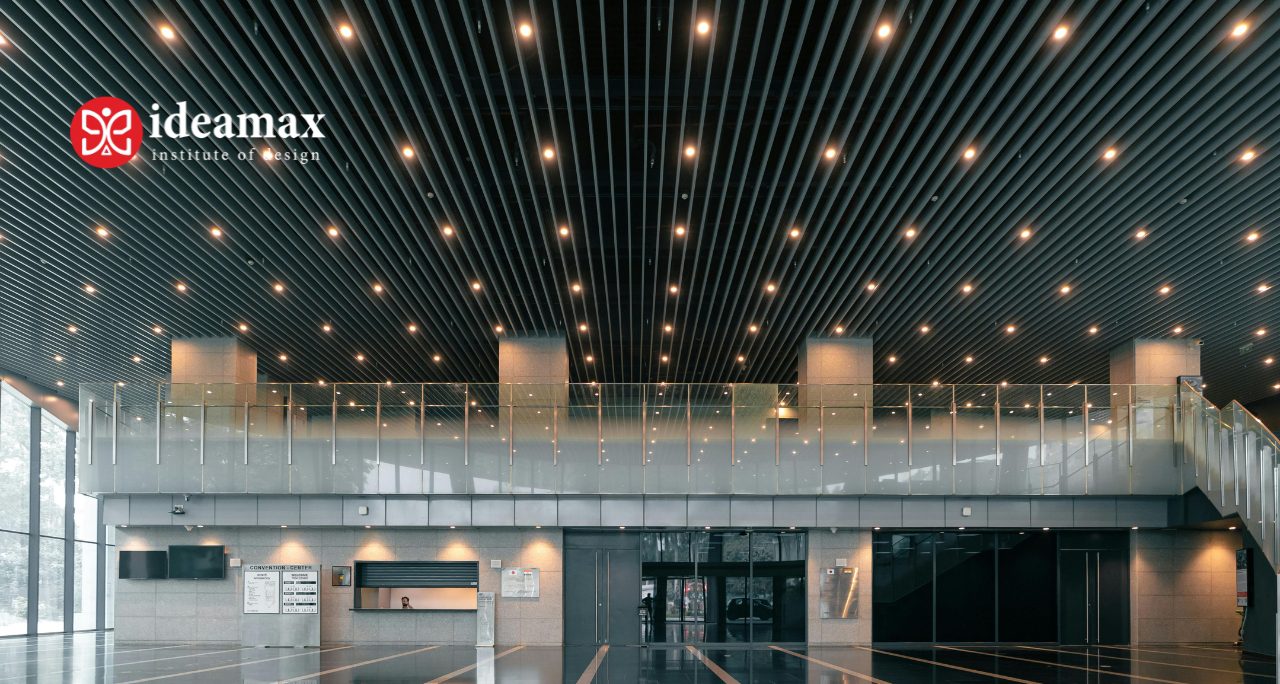
Modern workspaces are no longer just about desks, chairs, and cubicles. Today, commercial interior design is a powerful tool to boost productivity, creativity, and employee well-being. From flexible layouts to tech-integrated environments, businesses are investing in smarter interiors that show their brand and support evolving work styles.
If you’ve ever walked into a dull office and instantly felt drained, you already understand why this shift matters. The good news? Modern design is transforming those spaces into dynamic and human-centric environments. And this is where professional training, like an Interior Design Course, becomes essential.
Why Commercial Interior Design Matters Today
The way people work has changed dramatically. Hybrid models, remote collaboration, and fast-growing teams demand adaptable spaces. Modern commercial interiors focus on:
- Improving productivity and workflow
- Enhancing employee comfort and satisfaction
- Supporting collaboration and innovation
- Reflecting brand identity
Professionals trained through Interior Design Classes or a Diploma in Interior Design know how to blend functionality with aesthetics to meet these demands.
Key Elements of Modern Workspaces
Check the top elements of the modern offices today:
1. Smart Space Zoning
Instead of rigid layouts, offices are divided into zones based on activities:
- Quiet zones for focused work
- Collaboration spaces for team discussions
- Breakout areas for relaxation
This zoning approach allows employees to choose spaces based on their tasks, as it boosts efficiency and comfort.
2. Flexible Layouts & Modular Furniture
Gone are the days of fixed workstations. Today’s offices use:
- Moveable partitions
- Modular desks and chairs
- Multi-functional meeting rooms
These elements allow businesses to adapt quickly without costly renovations. Students enrolled in an Interior Styling Course learn how to design such flexible environments effectively.
3. Technology Integration
Modern interiors seamlessly blend technology into design. Below are the top technologies that are being integrated in today’s workspace:
- Smart lighting and climate control
- Video conferencing setups
- Wireless charging furniture
This ensures smooth workflows in hybrid and digital work environments.
Popular Commercial Interior Design Trends
Check the top design trends below:
Biophilic Design
Nature-inspired elements like indoor plants, natural light, and wooden textures create calming environments and improve mental well-being.
Wellness-Focused Spaces
Quiet pods, meditation areas, and ergonomic furniture are becoming essential to support employee health.
Minimalist Aesthetics
Clean and clutter-free designs improve focus and give offices a professional, modern look.
Sustainable Design
Eco-friendly materials and energy-efficient systems reduce environmental impact and operational costs.
These trends are widely taught in Interior Decorating Courses because it helps designers stay industry-ready.
Applications of Commercial Interior Design
Commercial interior design is not limited to offices. It plays an important role across industries. Below are the top applications of these designs:
Corporate Offices: Boost productivity and reflect brand values
Retail Stores: Enhance customer experience and product visibility
Hospitality Spaces: Create welcoming and comfortable environments
Co-working Spaces: Encourage collaboration and flexibility
A well-trained professional with a Diploma in Interior Design can adapt their skills across these sectors.
The Human-Centric Approach
Modern design is all about people. Instead of forcing employees to adapt to spaces, designers now create spaces that adapt to people.
This includes:
- Designing for natural movement
- Creating collaborative and private zones
- Enhancing comfort through ergonomics
Learning these principles through an Interior Design Course helps designers create environments that truly work for users.
Benefits for Businesses
Investing in commercial interior design offers long-term advantages. The top benefits are listed below:
- Better space utilization
- Increased employee productivity
- Higher engagement and satisfaction
- Reduced energy costs
- Stronger brand image
This is why companies are actively hiring professionals trained in Interior Design Classes and Interior Styling Courses.
Why Choose Ideamax for Interior Design Training
If you’re looking to build a career in this fast-growing field, Ideamax is a trusted name to consider. Their programs are designed to match real industry requirements and trends.
With courses like the Interior Design Course, Diploma in Interior Design. Interior Decorating Courses and Interior Styling Course. Ideamax focuses on practical learning, modern tools, and real-world projects. It ensures you’re not just learning theory, but gaining skills that employers actually need.
The Future of Commercial Interior Design
The future is flexible, tech-driven, and people-focused. Offices will continue to evolve with:
- AI-powered smart spaces
- Hybrid work-friendly layouts
- Sustainable and eco-conscious materials
Designers who stay updated through professional training will lead this transformation.
Conclusion
Commercial interior design has become the backbone of modern workspaces. It’s no longer just about aesthetics; it’s about creating environments that inspire, adapt, and perform.
Whether you’re a business owner or an aspiring designer, understanding these trends is crucial. And if you’re ready to step into this creative field, enrolling in an Interior Design Course or a Diploma in Interior Design is the perfect starting point.
With expert training from Ideamax Institute of Design, you can turn your passion into a successful career and become part of the future of workspace design.